
36th Bienal de Sao Paulo
06 Sep 2025 - 11 Jan 2026
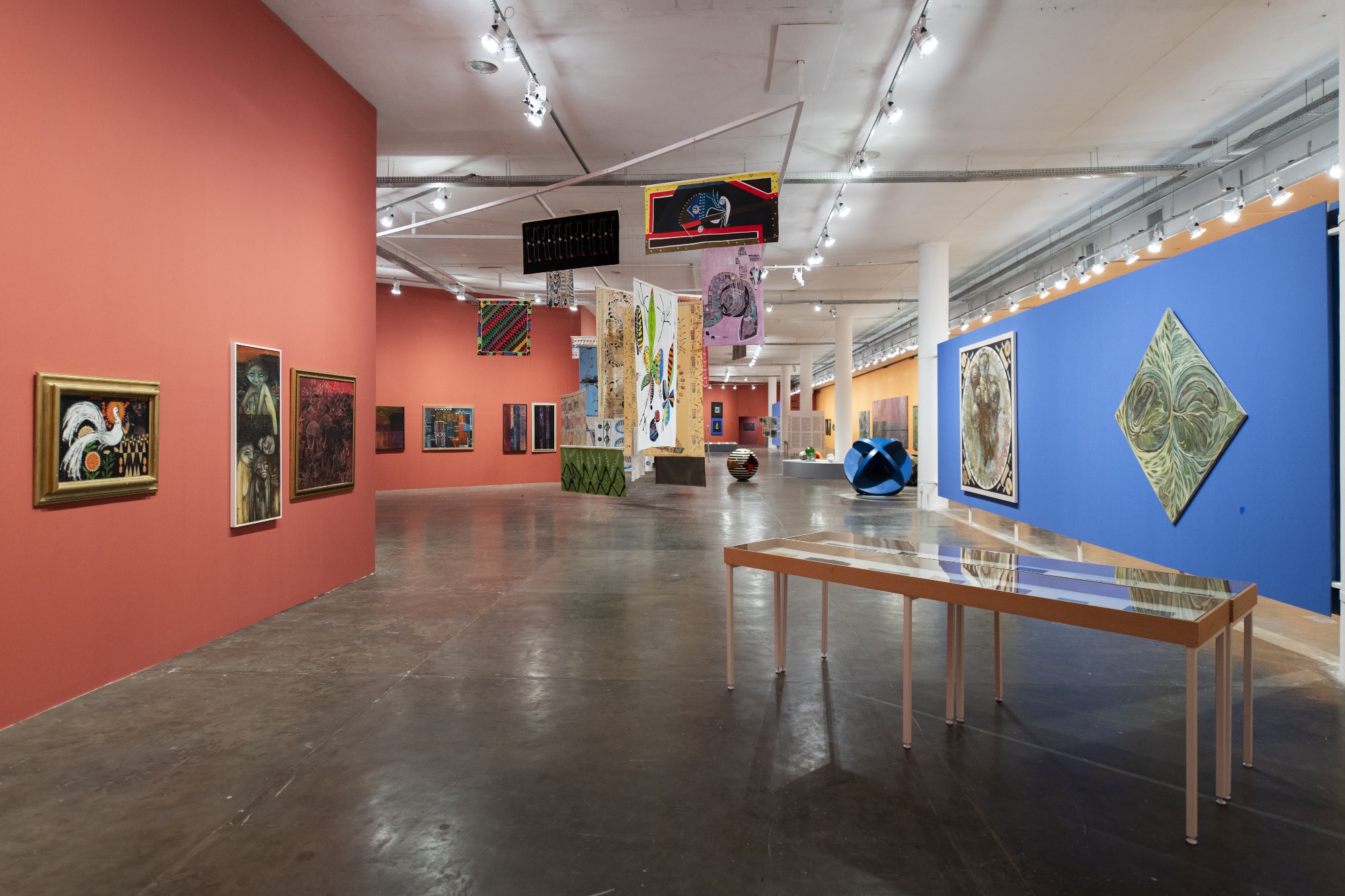
Installation view of the 36th Bienal de São Paulo – Not All Travellers Walk Roads – Of Humanity as Practice © Levi Fanan / Fundação Bienal de São Paulo
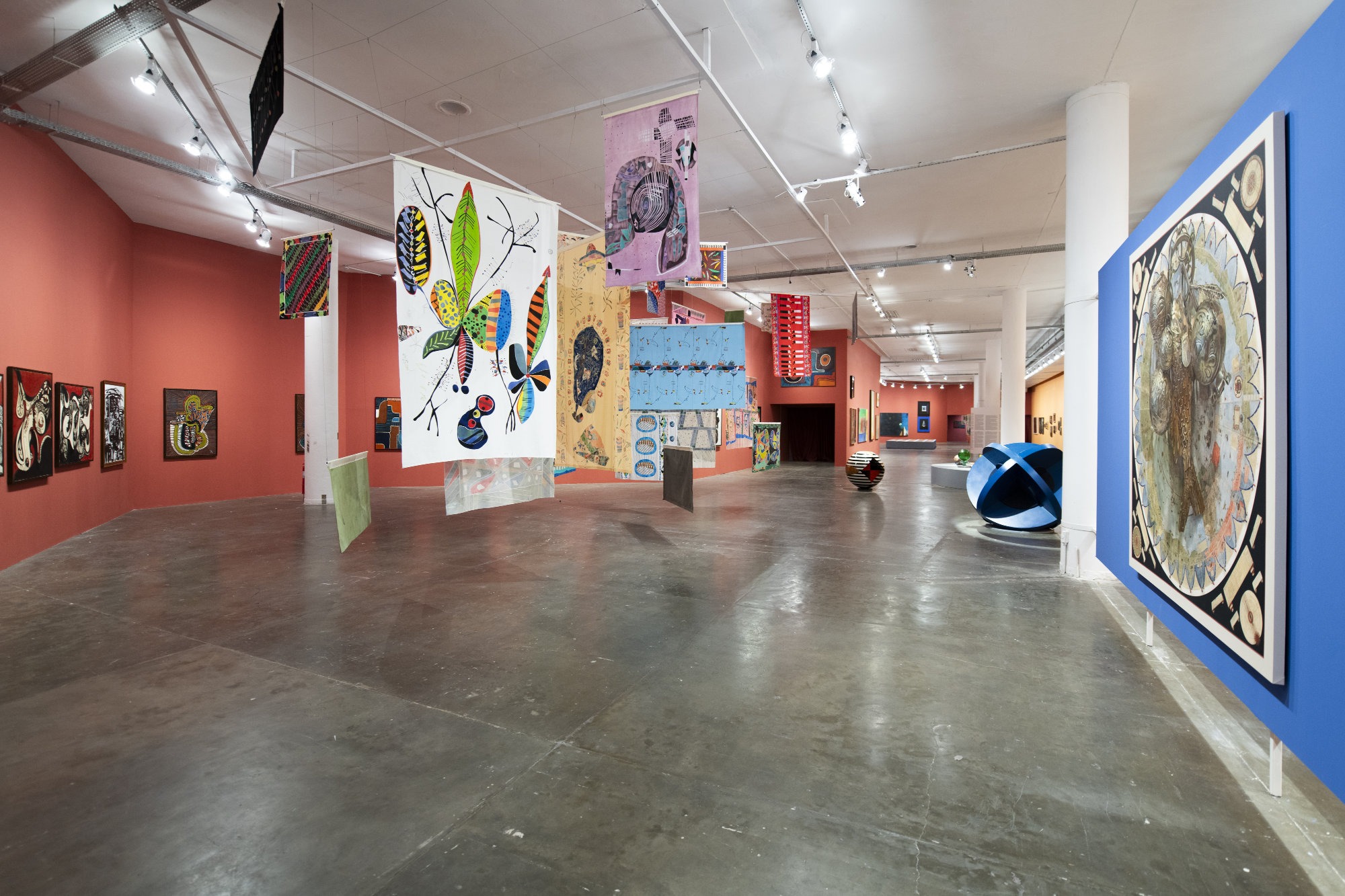
Installation view of the 36th Bienal de São Paulo – Not All Travellers Walk Roads – Of Humanity as Practice © Levi Fanan / Fundação Bienal de São Paulo
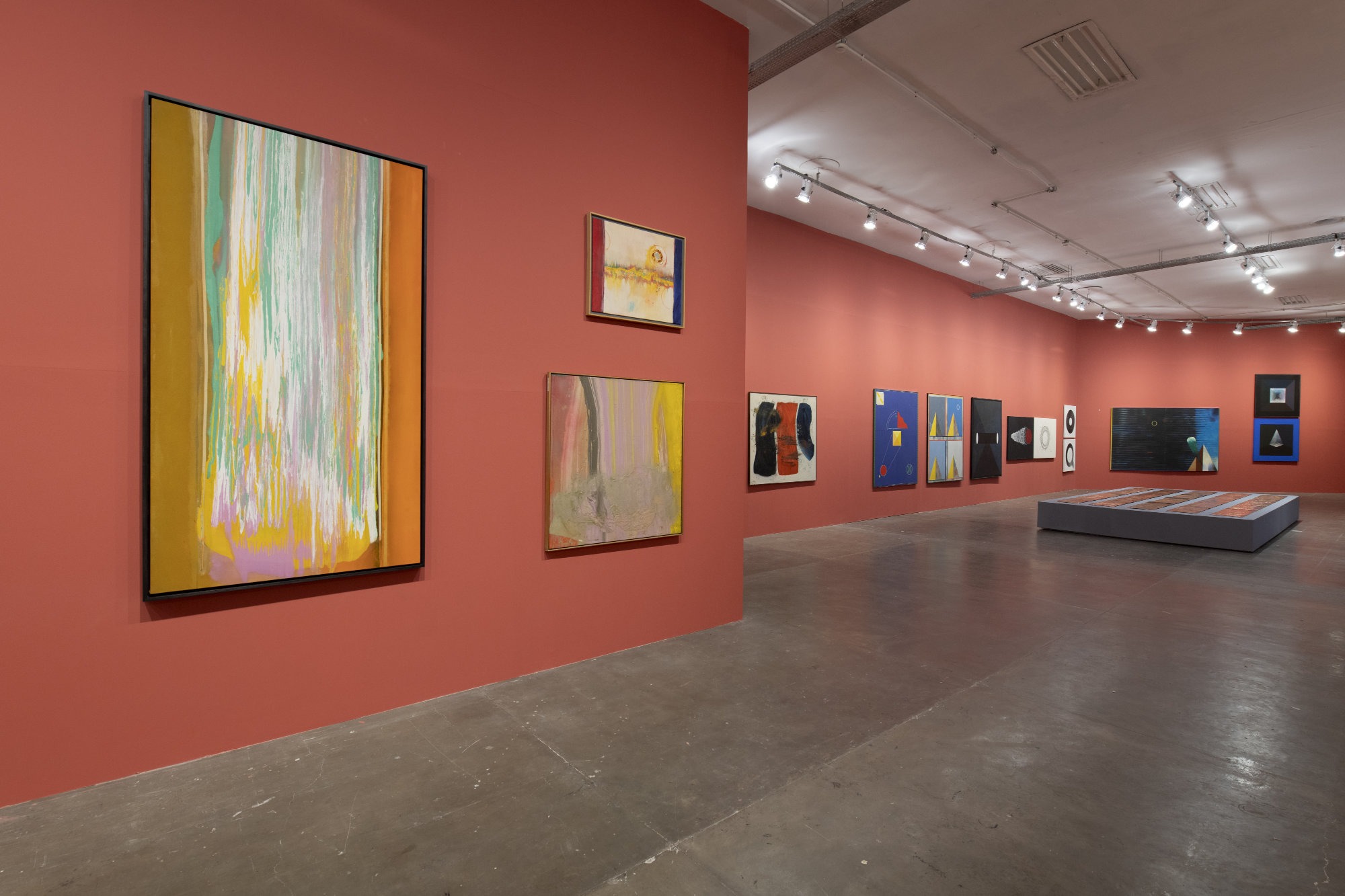
Installation view of the 36th Bienal de São Paulo – Not All Travellers Walk Roads – Of Humanity as Practice © Levi Fanan / Fundação Bienal de São Paulo
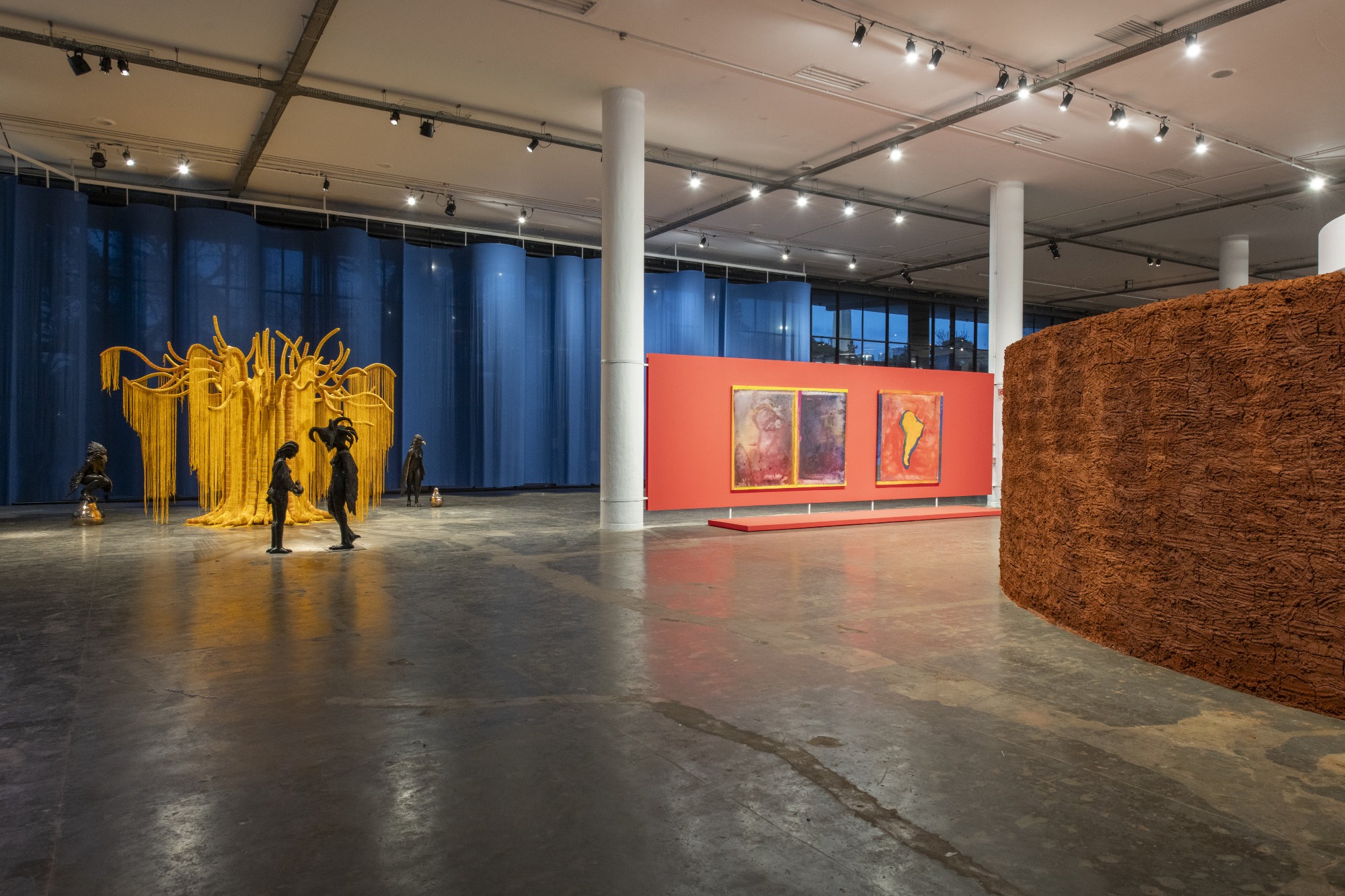
Installation view of the 36th Bienal de São Paulo – Not All Travellers Walk Roads – Of Humanity as Practice © Levi Fanan / Fundação Bienal de São Paulo
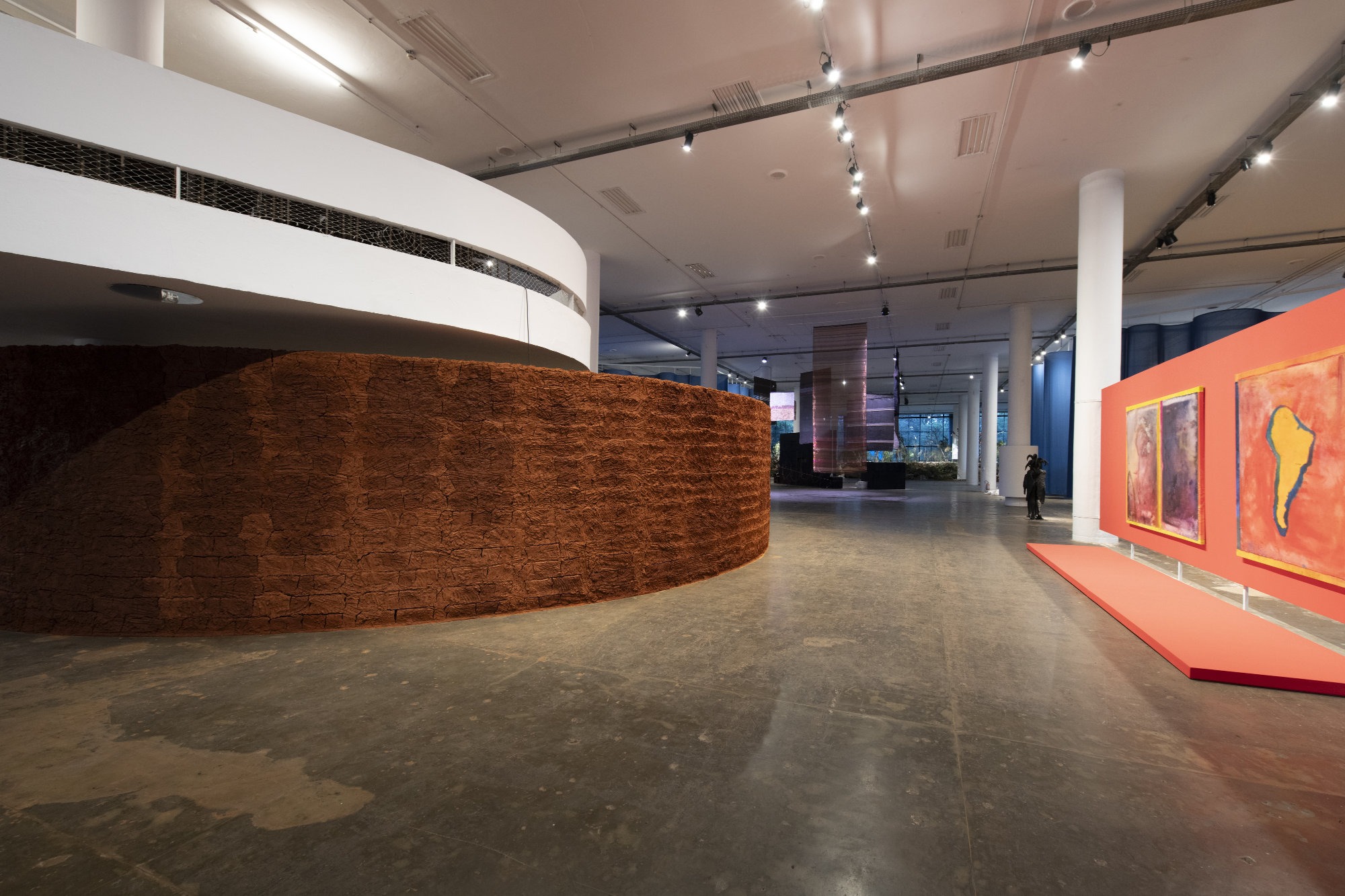
Installation view of the 36th Bienal de São Paulo – Not All Travellers Walk Roads – Of Humanity as Practice © Levi Fanan / Fundação Bienal de São Paulo
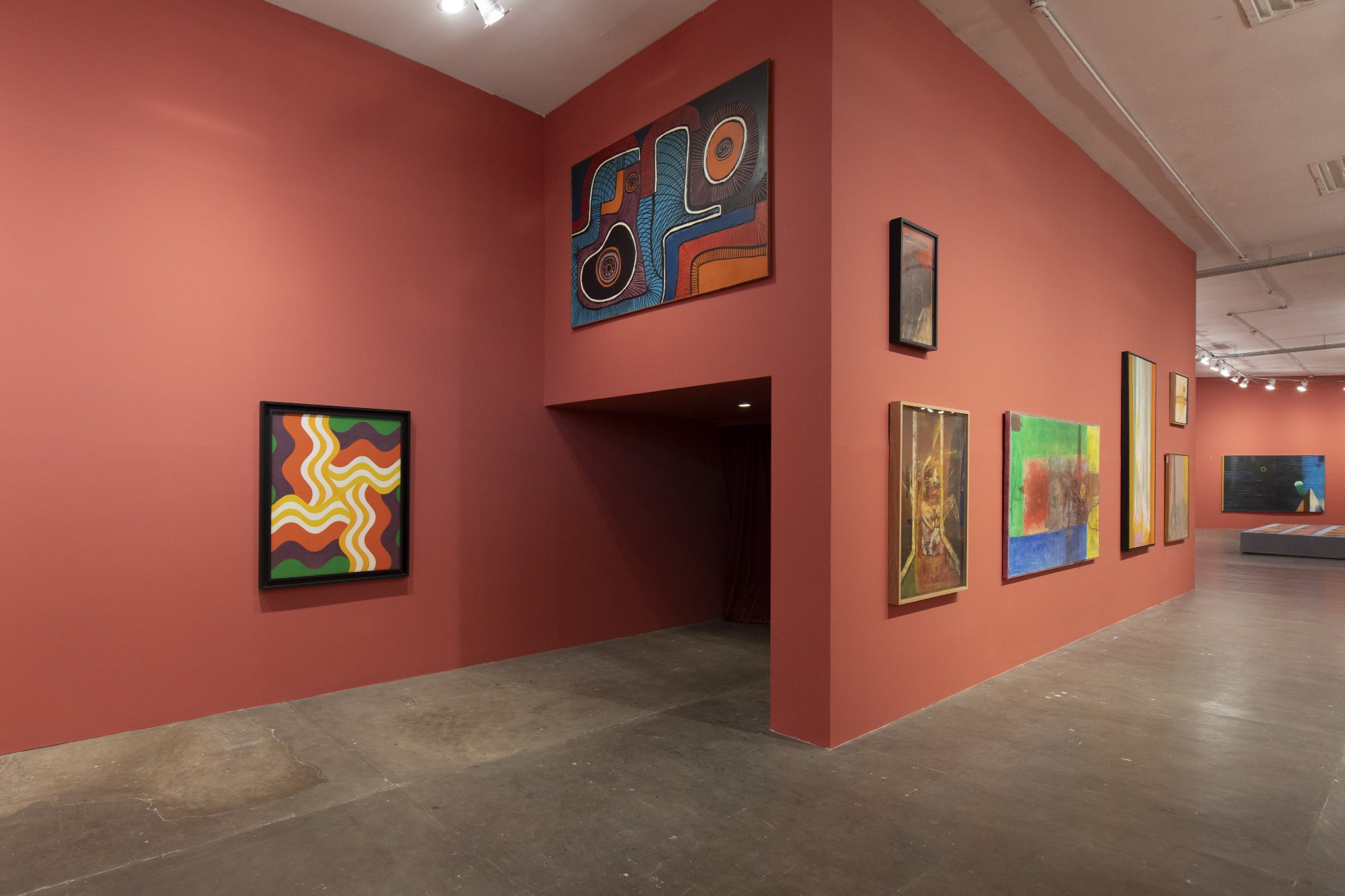
Installation view of the 36th Bienal de São Paulo – Not All Travellers Walk Roads – Of Humanity as Practice © Levi Fanan / Fundação Bienal de São Paulo
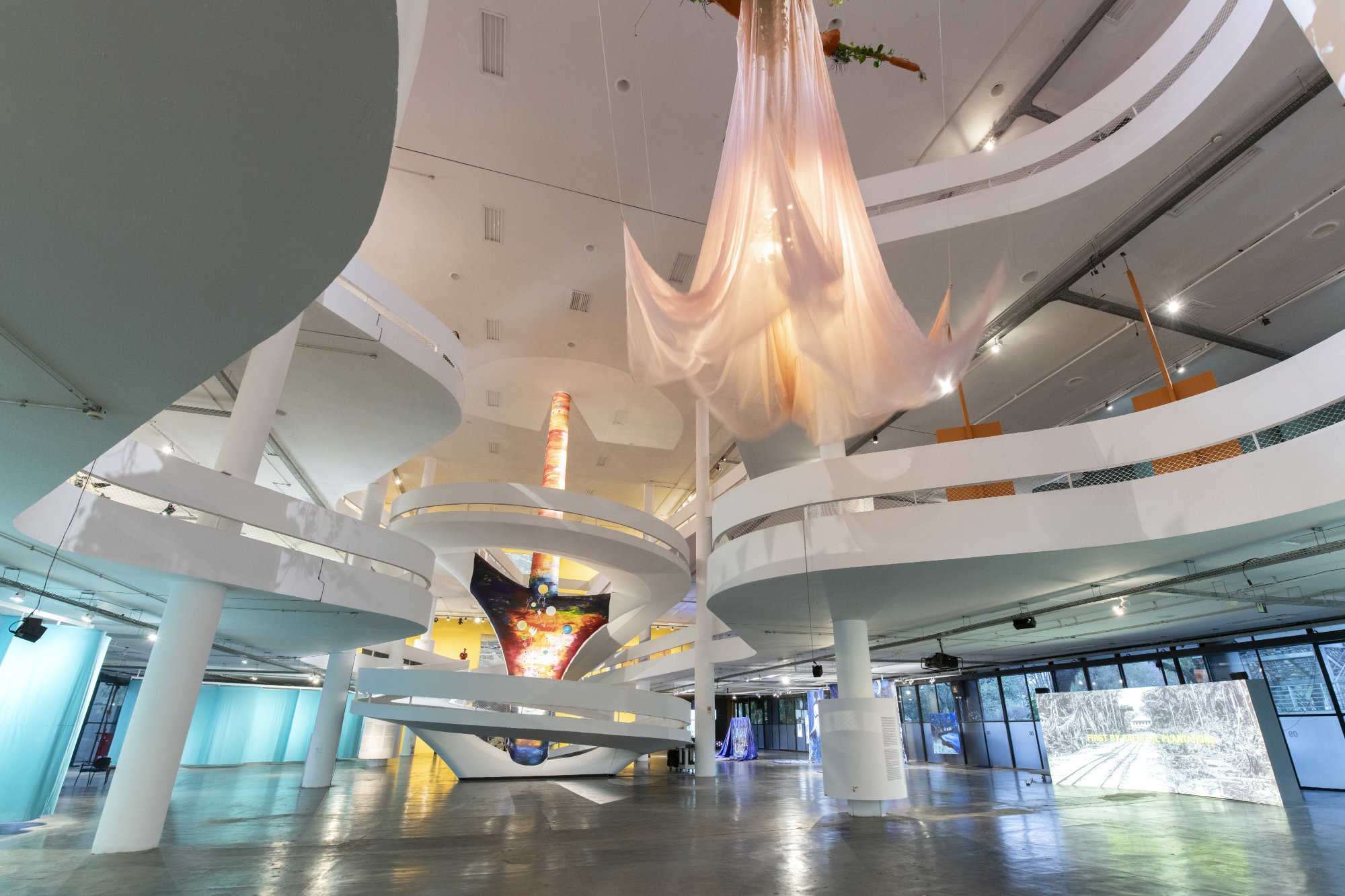
Installation view of the 36th Bienal de São Paulo – Not All Travellers Walk Roads – Of Humanity as Practice © Levi Fanan / Fundação Bienal de São Paulo
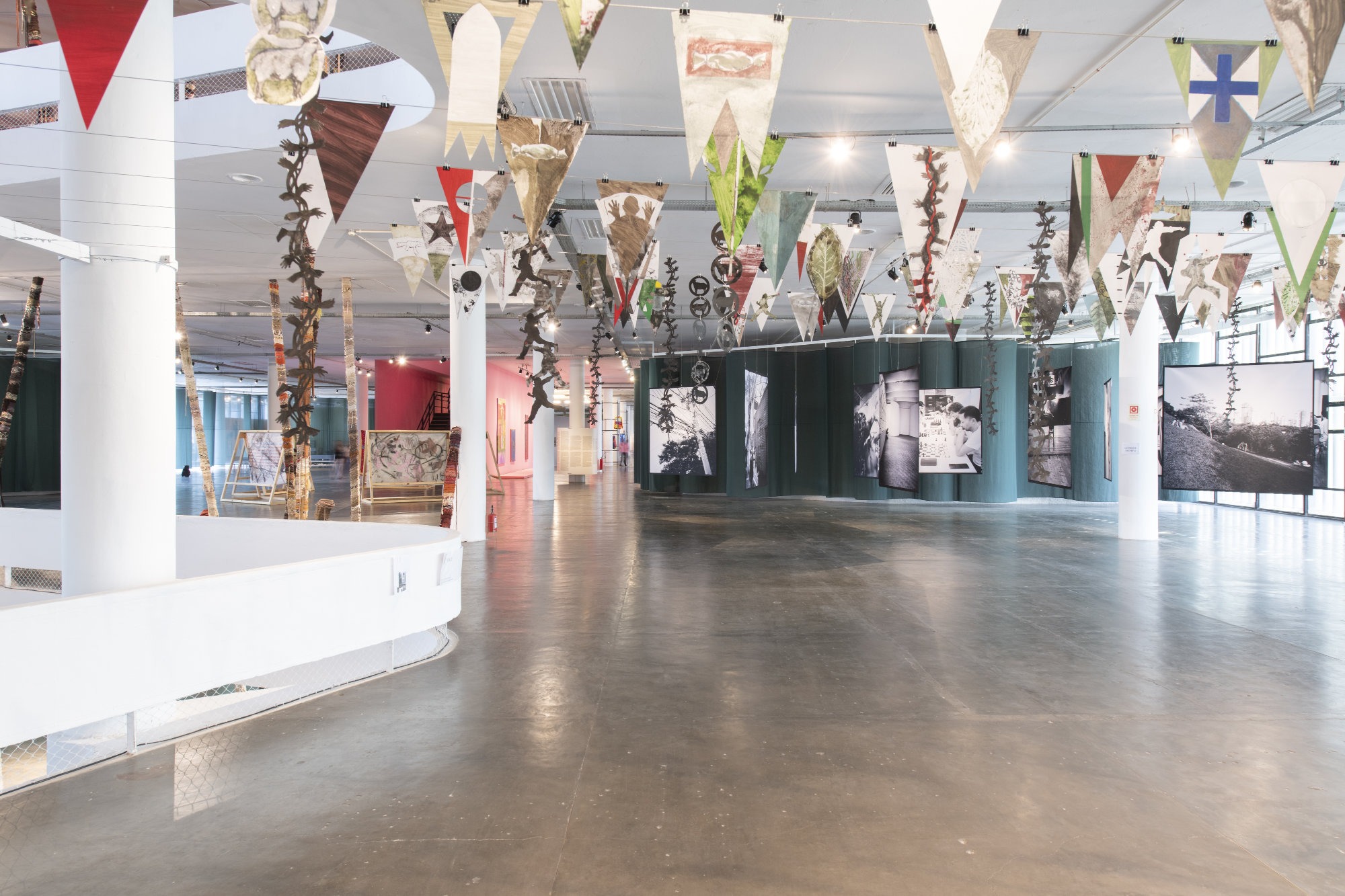
Installation view of the 36th Bienal de São Paulo – Not All Travellers Walk Roads – Of Humanity as Practice © Levi Fanan / Fundação Bienal de São Paulo
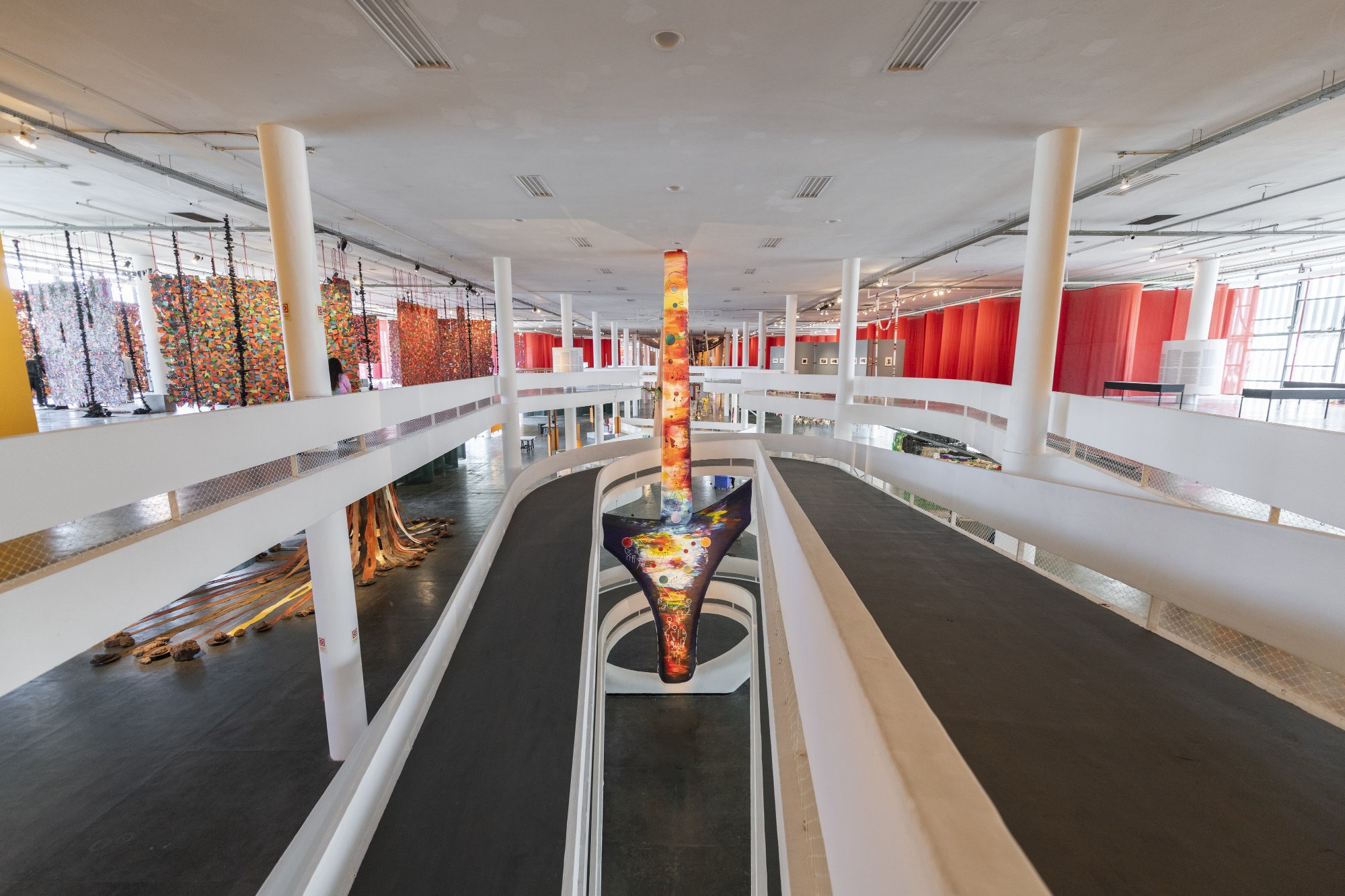
Installation view of the 36th Bienal de São Paulo – Not All Travellers Walk Roads – Of Humanity as Practice © Levi Fanan / Fundação Bienal de São Paulo
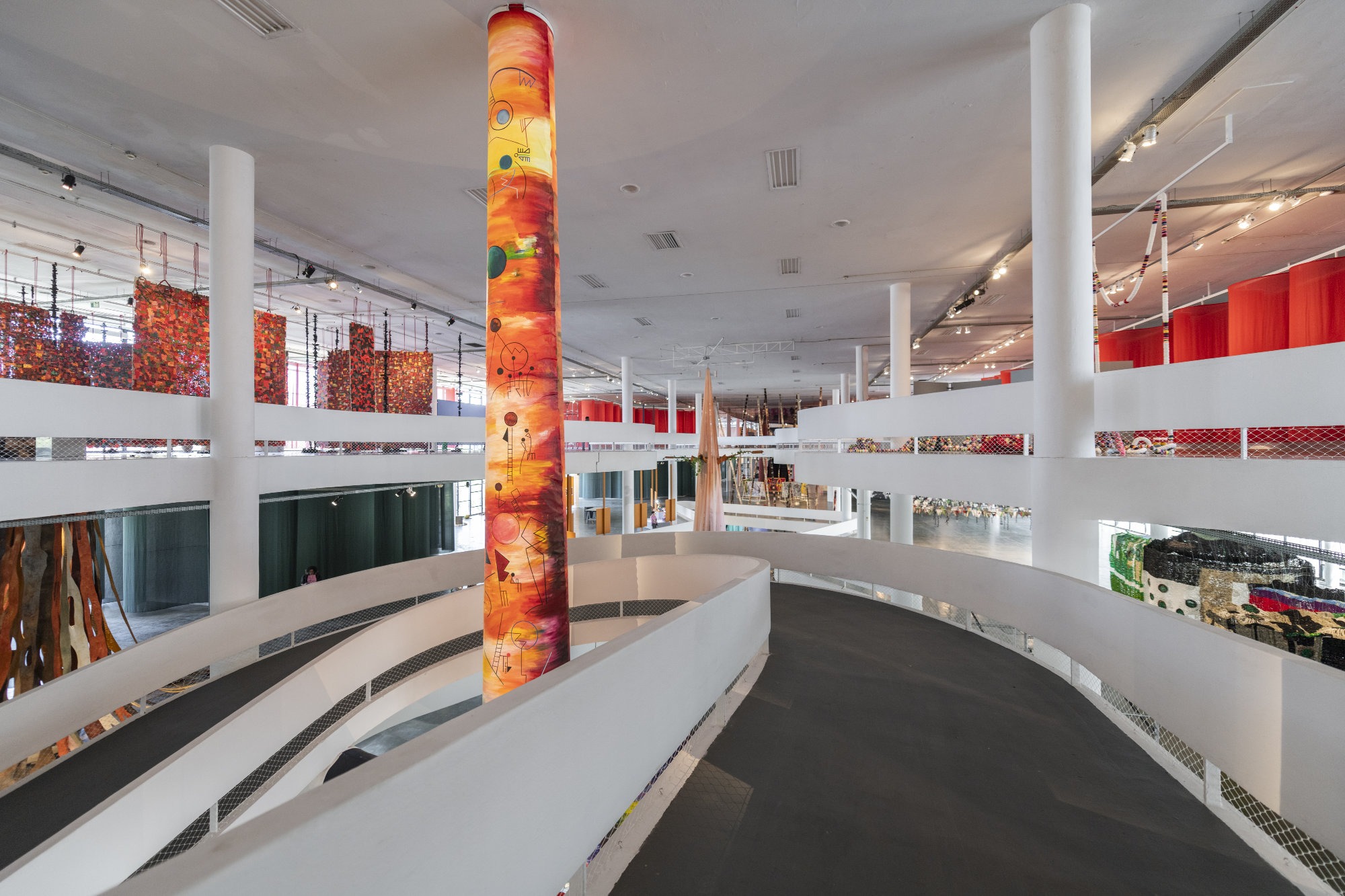
Installation view of the 36th Bienal de São Paulo – Not All Travellers Walk Roads – Of Humanity as Practice © Levi Fanan / Fundação Bienal de São Paulo
36ª Bienal de São Paulo 2025
Nem todo viandante anda estradas
Title: Not All Travellers Walk Roads
Chief curator: Bonaventure Soh Bejeng Ndikung
Conceptual team: Keyna Eleison, Henriette Gallus, Anna Roberta Goetz, Leonardo Matsuhei, André Pitol, Alya Sebti, Thiago de Paula Souza
Entitled Not All Travellers Walk Roads – Of Humanity as Practice, the edition will be led by chief curator Prof. Dr. Bonaventure Soh Bejeng Ndikung together with his conceptual team of co-curators Alya Sebti, Anna Roberta Goetz and Thiago de Paula Souza, as well as co-curator at large Keyna Eleison and strategy and communication advisor Henriette Gallus. The exhibition takes its cue from Afrobrazilian poet Conceição Evaristo’s enigmatic poem Da calma e do silêncio [Of calm and silence].
The central proposal of this Bienal is to rethink humanity as a verb, a living practice, in a world that requires reimagining relationships, asymmetries and listening as the basis for coexistence, based on three curatorial fragments/axes. The metaphor of the estuary – a place where different water currents meet and create a space for coexistence – guides the curatorial project, inspired by Brazilian philosophies, landscapes and mythologies. This concept reflects the multiplicity of encounters that have marked Brazil’s history and proposes that humanity comes together and transforms itself through an attentive ear and negotiation between different beings and worlds.
This edition of the Bienal de Sao Paulo is structured as a research project that will manifest itself in three fragments/axes. The first curatorial fragment/axis advocates for claiming space and time, it seeks to slow down and pay attention to details and other beings that constitute our surroundings. This fragment situates itself within Conceição Evaristo’s poem Da calma e do silêncio and evokes the importance of exploring the submerged worlds that only the silence of poetry and poetic listening can access, by welcoming differences and suggesting a reconnection with the natural environment and its subtleties.
In the second fragment/axis, the Bienal invites the public to see themselves in the reflection of the other. The proposal is to question what we see when we look at ourselves and others, confronting the barriers and borders of our societies. This fragment situates itself within the poem by Haitian poet René Depestre Une Conscience En Fleur Pour Autrui and it explores the interconnectedness of experiences, proposing a coexistence that is more attentive to collective needs.
Finally, the third fragment/axis focuses on spaces of encounters – like estuaries that are spaces of multiple encounters, not only the meeting of sweet and salt water, but also the encounter of the so-called new world by the enslaved people abducted from Africa. This fragment reflects on coloniality, its power structures and the ramifications thereof in our societies today. This reflection is based on the manguebit movement and its ‘Crabs with Brains’ manifesto, understood as a representation of the so-called collective social brain. Brazil’s history, marked by the fusion of Indigenous peoples, Europeans and enslaved Africans, is a microcosm of the power asymmetries that still persist. Along these lines, the exhibition explores how cultures and societies deal with these differences and create new paths of coexistence and beauty, as manifested in Patrick Chamoiseau and Édouard Glissant’s The intractable beauty of the world.
Artists
Adama Delphine Fawundu
Adjani Okpu-Egbe
Aislan Pankararu
Akinbode Akinbiyi
Alain Padeau
Alberto Pitta
Aline Baiana
Amina Agueznay
Ana Raylander Mártis dos Anjos
Andrew Roberts
Antonio Társis
Behjat Sadr
Berenice Olmedo
Bertina Lopes
Camille Turner
Carla Gueye
Cevdet Erek
Chaïbia Talal
Christopher Cozier
Cici Wu with Yuan Yuan
Cynthia Hawkins
Edival Ramosa
Emeka Ogboh
Ernest Cole
Ernest Mancoba
Farid Belkahia
Firelei Báez
Forensic Architecture / Forensis
Forugh Farrokhzad
Frank Bowling
Frankétienne
Gê Viana
Gervane de Paula
Gōzō Yoshimasu
Hajra Waheed
Hamedine Kane
Hamid Zénati
Hao Jingban
Heitor dos Prazeres
Helena Uambembe
Hessie
Huguette Caland
I Gusti Ayu Kadek Murniasih (Murni)
Imran Mir
Isa Genzken
Joar Nango with the Girjegumpi crew
Josèfa Ntjam
Juliana dos Santos
Julianknxx
Kader Attia
Kamala Ibrahim Ishag
Kenzi Shiokava
Korakrit Arunanondchai
Laila Hida
Laure Prouvost
Leiko Ikemura
Leila Alaoui
Leo Asemota
Leonel Vásquez
Lidia Lisbôa
Lynn Hershman Leeson
Madame Zo
Madiha Umar
Malika Agueznay
Manauara Clandestina
Mansour Ciss Kanakassy
Mao Ishikawa
Márcia Falcão
Maria Auxiliadora
María Magdalena Campos-Pons
Marlene Almeida
Maxwell Alexandre
Meriem Bennani
Metta Pracrutti
Michele Ciacciofera
Ming Smith
Minia Biabiany
Moffat Takadiwa
Mohamed Melehi
Moisés Patrício
Myriam Omar Awadi
Myrlande Constant
Nádia Taquary
Nari Ward
Nguyễn Trinh Thi
Noor Abed
Nzante Spee
Olivier Marboeuf
Olu Oguibe
Oscar Murillo
Otobong Nkanga
Pélagie Gbaguidi
Pol Taburet
Precious Okoyomon
Raukura Turei
Raven Chacon, Iggor Cavalera & Laima Leyton, in collaboration with members of the Etenhiritipa Xavante community
Rebeca Carapiá
Richianny Ratovo
Ruth Ige
Sadikou Oukpedjo
Sallisa Rosa
Sara Sejin Chang (Sara van der Heide)
Sérgio Soarez
Sertão Negro
Sharon Hayes
Shuvinai Ashoona
Simnikiwe Buhlungu
Song Dong
Suchitra Mattai
Tanka Fonta
Thania Petersen
Theo Eshetu
Théodore Diouf
Theresah Ankomah
Trương Công Tùng
Tuấn Andrew Nguyễn
Vilanismo
Werewere Liking
Wolfgang Tillmans
Zózimo Bulbul
Nem todo viandante anda estradas
Title: Not All Travellers Walk Roads
Chief curator: Bonaventure Soh Bejeng Ndikung
Conceptual team: Keyna Eleison, Henriette Gallus, Anna Roberta Goetz, Leonardo Matsuhei, André Pitol, Alya Sebti, Thiago de Paula Souza
Entitled Not All Travellers Walk Roads – Of Humanity as Practice, the edition will be led by chief curator Prof. Dr. Bonaventure Soh Bejeng Ndikung together with his conceptual team of co-curators Alya Sebti, Anna Roberta Goetz and Thiago de Paula Souza, as well as co-curator at large Keyna Eleison and strategy and communication advisor Henriette Gallus. The exhibition takes its cue from Afrobrazilian poet Conceição Evaristo’s enigmatic poem Da calma e do silêncio [Of calm and silence].
The central proposal of this Bienal is to rethink humanity as a verb, a living practice, in a world that requires reimagining relationships, asymmetries and listening as the basis for coexistence, based on three curatorial fragments/axes. The metaphor of the estuary – a place where different water currents meet and create a space for coexistence – guides the curatorial project, inspired by Brazilian philosophies, landscapes and mythologies. This concept reflects the multiplicity of encounters that have marked Brazil’s history and proposes that humanity comes together and transforms itself through an attentive ear and negotiation between different beings and worlds.
This edition of the Bienal de Sao Paulo is structured as a research project that will manifest itself in three fragments/axes. The first curatorial fragment/axis advocates for claiming space and time, it seeks to slow down and pay attention to details and other beings that constitute our surroundings. This fragment situates itself within Conceição Evaristo’s poem Da calma e do silêncio and evokes the importance of exploring the submerged worlds that only the silence of poetry and poetic listening can access, by welcoming differences and suggesting a reconnection with the natural environment and its subtleties.
In the second fragment/axis, the Bienal invites the public to see themselves in the reflection of the other. The proposal is to question what we see when we look at ourselves and others, confronting the barriers and borders of our societies. This fragment situates itself within the poem by Haitian poet René Depestre Une Conscience En Fleur Pour Autrui and it explores the interconnectedness of experiences, proposing a coexistence that is more attentive to collective needs.
Finally, the third fragment/axis focuses on spaces of encounters – like estuaries that are spaces of multiple encounters, not only the meeting of sweet and salt water, but also the encounter of the so-called new world by the enslaved people abducted from Africa. This fragment reflects on coloniality, its power structures and the ramifications thereof in our societies today. This reflection is based on the manguebit movement and its ‘Crabs with Brains’ manifesto, understood as a representation of the so-called collective social brain. Brazil’s history, marked by the fusion of Indigenous peoples, Europeans and enslaved Africans, is a microcosm of the power asymmetries that still persist. Along these lines, the exhibition explores how cultures and societies deal with these differences and create new paths of coexistence and beauty, as manifested in Patrick Chamoiseau and Édouard Glissant’s The intractable beauty of the world.
Artists
Adama Delphine Fawundu
Adjani Okpu-Egbe
Aislan Pankararu
Akinbode Akinbiyi
Alain Padeau
Alberto Pitta
Aline Baiana
Amina Agueznay
Ana Raylander Mártis dos Anjos
Andrew Roberts
Antonio Társis
Behjat Sadr
Berenice Olmedo
Bertina Lopes
Camille Turner
Carla Gueye
Cevdet Erek
Chaïbia Talal
Christopher Cozier
Cici Wu with Yuan Yuan
Cynthia Hawkins
Edival Ramosa
Emeka Ogboh
Ernest Cole
Ernest Mancoba
Farid Belkahia
Firelei Báez
Forensic Architecture / Forensis
Forugh Farrokhzad
Frank Bowling
Frankétienne
Gê Viana
Gervane de Paula
Gōzō Yoshimasu
Hajra Waheed
Hamedine Kane
Hamid Zénati
Hao Jingban
Heitor dos Prazeres
Helena Uambembe
Hessie
Huguette Caland
I Gusti Ayu Kadek Murniasih (Murni)
Imran Mir
Isa Genzken
Joar Nango with the Girjegumpi crew
Josèfa Ntjam
Juliana dos Santos
Julianknxx
Kader Attia
Kamala Ibrahim Ishag
Kenzi Shiokava
Korakrit Arunanondchai
Laila Hida
Laure Prouvost
Leiko Ikemura
Leila Alaoui
Leo Asemota
Leonel Vásquez
Lidia Lisbôa
Lynn Hershman Leeson
Madame Zo
Madiha Umar
Malika Agueznay
Manauara Clandestina
Mansour Ciss Kanakassy
Mao Ishikawa
Márcia Falcão
Maria Auxiliadora
María Magdalena Campos-Pons
Marlene Almeida
Maxwell Alexandre
Meriem Bennani
Metta Pracrutti
Michele Ciacciofera
Ming Smith
Minia Biabiany
Moffat Takadiwa
Mohamed Melehi
Moisés Patrício
Myriam Omar Awadi
Myrlande Constant
Nádia Taquary
Nari Ward
Nguyễn Trinh Thi
Noor Abed
Nzante Spee
Olivier Marboeuf
Olu Oguibe
Oscar Murillo
Otobong Nkanga
Pélagie Gbaguidi
Pol Taburet
Precious Okoyomon
Raukura Turei
Raven Chacon, Iggor Cavalera & Laima Leyton, in collaboration with members of the Etenhiritipa Xavante community
Rebeca Carapiá
Richianny Ratovo
Ruth Ige
Sadikou Oukpedjo
Sallisa Rosa
Sara Sejin Chang (Sara van der Heide)
Sérgio Soarez
Sertão Negro
Sharon Hayes
Shuvinai Ashoona
Simnikiwe Buhlungu
Song Dong
Suchitra Mattai
Tanka Fonta
Thania Petersen
Theo Eshetu
Théodore Diouf
Theresah Ankomah
Trương Công Tùng
Tuấn Andrew Nguyễn
Vilanismo
Werewere Liking
Wolfgang Tillmans
Zózimo Bulbul